

Ntx̣ʷétkʷ
Level One: The River
- Listen to Aspen Decker read "The River" 00:00
Salish Text
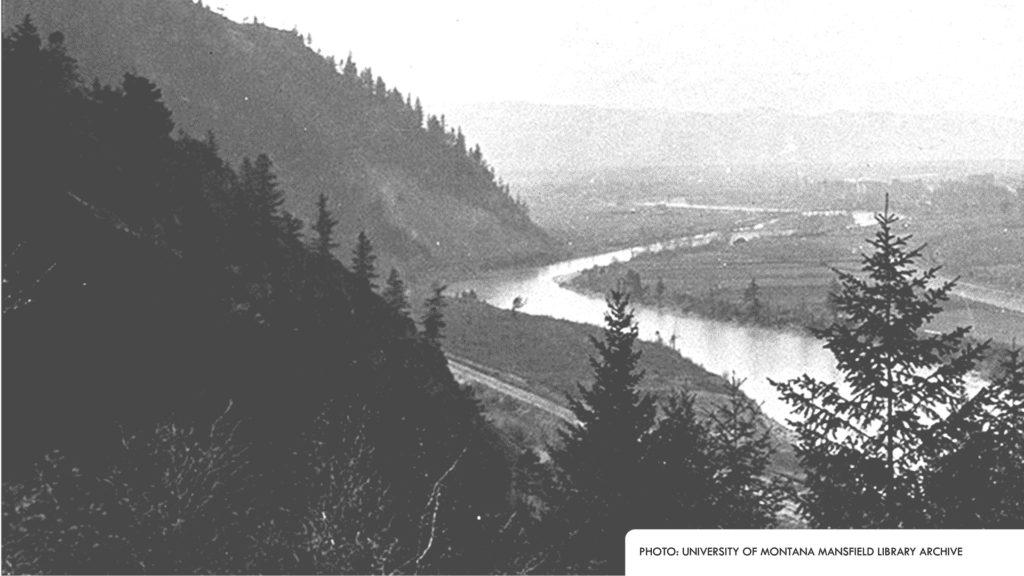
Ye ntx̣ʷétkʷ nkʷtnaqsm x̣ʷl̓ Sqlqélixʷ x̣ʷl̓č̓musšn, u Sqlqélixʷ łu es xʷlxʷíʔilt, u esyaʔ łu qs cxʷuyi łu l̓ ye sqlixʷulexʷ. Łu t sq̓sip, Séliš iše es láʔapmi l ƛ̓iƛ̓iye łu l ntx̣ʷtétkʷ łu č̓ sp̓l̓p̓l̓č̓m̓nuxʷ snc̓cilštis. Epł xʷiʔt skʷskʷstulexʷ łu x̣ʷl̓ es t̓ixʷlm tʔe t čen łu l̓ ntx̣ʷétkʷ u i še m̓ey̓ełts łu ye ʔawʔáwulexʷ łu l̓ snk̓ʷéʔelixʷs t Sqlqélixʷ, hoy x̣ʷl̓ šey u qe es mistem x̣ʷl̓ stem̓ u nk̓ʷuwilšm łu t sqlqélixʷ u stu̓lixʷ u tma šey u xʷlxʷíʔiltm. Nłʔayčstm łu l es čilpmi l̓ ntx̣ʷétkʷ u x̣eʔulexʷ nłšiyétkʷs, łu č̓ ƛ̓aqlexʷ tl̓ qe snʔawʔawtn, u i čmi c̓lčłnk̓ʷoʔqín sc̓uc̓ušin sclkʷut u ʔáwulexʷ Nłʔayčstm t Séliš. Tma nkʷtnáqsm łu nqlixʷcúʔutn łu l ntxʷétkʷ t sqlqélixʷ, u puti iše es mopetkʷi łu l esyaʔ spupúʔusts łu ne cúʔuis ye sx̣scin łu cíʔitxʷs.
English Translation
Rivers connect the past, present, and future of Indigenous Peoples in our region. Historically, the Salish People traveled the Clark Fork River, or Ntx̣ʷétkʷ, in canoes to reach seasonal campsites. Locations along the River bear unique place names that are passed down through generations and reflect deep connections between People and the landscape that sustained them. The Clark Fork-Rattlesnake confluence, about 500 feet south of the Library, is known to the Salish as “the Place of Small Bull Trout,” or Nłʔayčstm. For Indigenous Peoples, Ntx̣ʷétkʷ is a cultural lifeline that continues to flow through the hearts of those who call its banks home.
-
More Level 1:
- Library Highlights
- Green Library
- Making Connections
Sp̓eƛ̓m
Level Two: Bitterroot
- Listen to Aspen Decker read "Bitterroot" 00:00
Salish Text
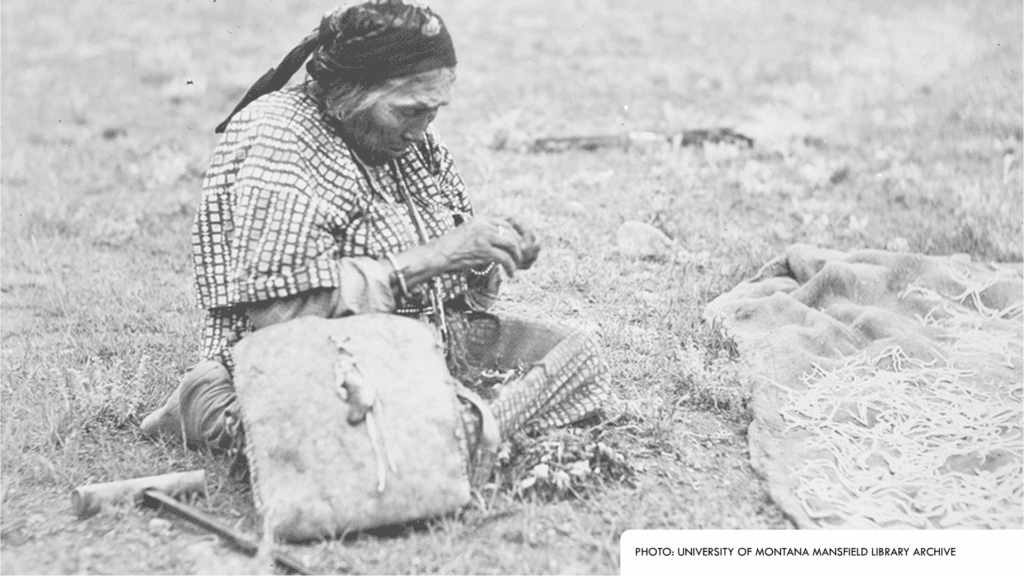
T sq̓sip łu l Nmesulétkʷ spúʔusts, epł l̓q̓ʷólexʷ u č̓ šeylxʷ ep skʷʔal̓ulexʷ u p̓up̓unéłp, u łu l sqépc epł xʷʔit sp̓eƛ̓m. Šey łu sox̣ʷép u es ʔawstm sp̓eƛ̓m t Séliš. Ax̣lm̓nuxʷ, łu ne kʷlkʷlešn t sp̓eƛ̓m uł íʔimšm łu č̓ nłʔayčstm x̣ʷl̓ iše x̣eʔectm łu ye sox̣ʷep t T̓at̓ʔayaqn. X̣éʔectm łu sox̣ʷep u łóʔoq̓ʷm, u č̓éʔexʷm, u éʔelk̓ʷm u hoy łu l̓ sʔistč čtéʔem̓mis łu sp̓eƛ̓m t Séliš. łu ne upn eł x̣ntłʔnk̓ʷoʔqín spentč t̓xʷlmulexʷ łu l̓ Nmesulétkʷ. Tma šey x̣ʷl̓ náʔaq̓ʷm łu T̓at̓ʔayaqn sqlixʷulexʷ t suyapi. U kʷemt k̓ʷóʔol̓qm łu c̓lc̓il u k̓ʷl̓k̓ʷúʔul̓łxʷ łu l̓ ye l̓q̓ʷólexʷ t Suyapi. Łu ne č̓uwlexʷ łu ye l̓q̓ʷólexʷ, x̣eyłne u c̓sip t sp̓eƛ̓m. U pn puti iše x̣ect t sp̓eƛ̓m łu č̓ kʷiƛ̓t tʔe t čen t Séliš, u puti nkʷtnaqsm nk̓ʷúʔul̓mis.
English Translation
The heart of the Missoula Valley was once a prairie covered in sagebrush, grasses, and, in spring, an abundance of Bitterroot—a plant the Salish call sp̓eƛ̓m. Salish People migrated to the area annually to harvest sp̓eƛ̓m during peak season. Roots were gathered, cleaned, prepared, and stored for vital winter sustenance. By the early.1900s, the Valley was altered. White settlers dispossessed the Salish of their homeland, promoted development, and began non-native afforestation…As native prairie dwindles in Missoula, Bitterroot continues to decline. But sp̓eƛ̓m remains an integral part of Salish culture, and harvesting continues in other parts of our region.
-
More Level 2:
- Library Highlights
- Green Library
- Making Connections
Xʷlxʷilt łu l̓ St̓ulixʷ
Level Three: Living with the Land
- Listen to Aspen Decker read "Living with the Land" 00:00
Salish Text
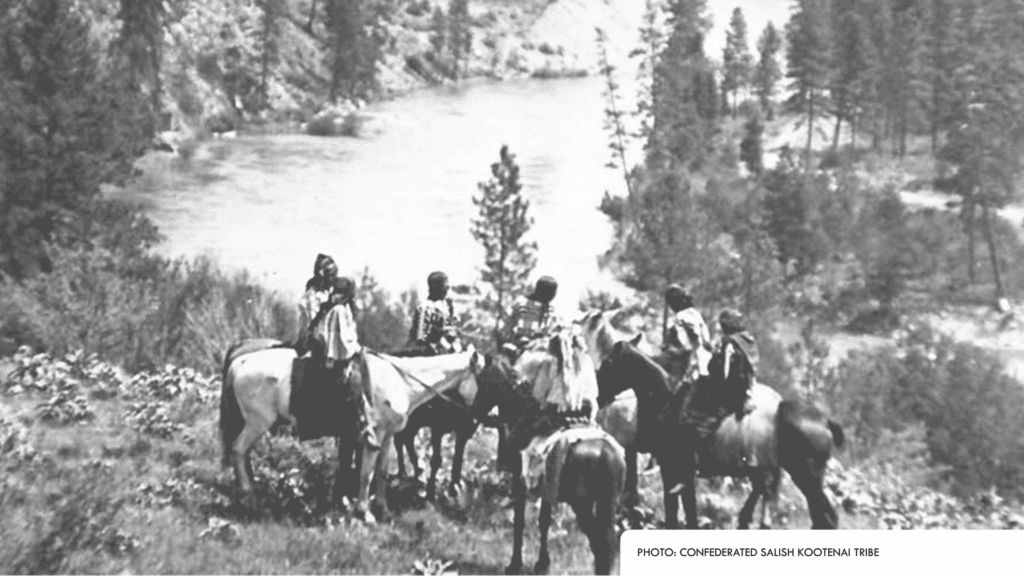
Nqlixʷcúʔutis łu st̓ulixʷ, qʷo m̓ey̓eʔłt łu putʔenwexʷ u n̓eyxʷéws łu l st̓ulixʷ t Séliš. išé xʷúʔuy łu l x̣ʷl̓čmusšn łqq̓áx̣ łu ne xʷstlwíʔis l sqlixʷúʔulexʷs t Séliš u tma putʔenwexʷ łu t Sqélixʷ u st̓ulixʷ u nexʷ x̣ʷl̓ ntéʔels qs wéʔekʷms łu x̣ʷl̓ šmén̓ t Séliš. Hoy uł p̓aápulexʷ x̣ʷl̓ olqʷštulexʷ t Séliš. P̓aáplexʷ x̣ʷl̓ uł čłíʔipm l nk̓ʷulexʷ t Séliš, u łu ne ełqépcm̓nuxʷ esyaʔ łu olus ełxʷlxʷiltm, u l̓ šeyulexʷ hoy x̣litis łu tšec̓ u łu xʷixʷeyuł t st̓ulixʷ. Tma uł nk̓ʷúʔul̓mis łu ne p̓aápulexʷ u iše putʔéʔeʔis t Séliš, hoy m̓ey̓eʔłtm łu scmistéʔes x̣ʷl̓ iše xʷlxʷiltm łu l st̓ulixʷ.
English Translation
The Salish relationship with the land features respect for.and reciprocity with the natural world and all Living Things. Historically, Salish use of game trails facilitated travel through their ancestral lands, provided protection and invisibility from enemies, and strengthened the People’s role in the ecosystem. Traditional Salish practices also included the strategic use of fire, or solšl. Communal hunting relied on seasonal controlled burns which led to plant regeneration and, in turn, attracted more Elk, or tšec̓, and other wild game. Salish land stewardship, through practices like these, showcases a deep-rooted connection to ancestral knowledge that has sustained their People for generations.
-
More Level 3:
- Library Highlights
- Green Library
- Making Connections
Nmesulé(tkʷ)
Level Four: Glacial Lake Missoula
- Listen to Aspen Decker read "Glacial Lake Missoula" 00:00
Salish Text
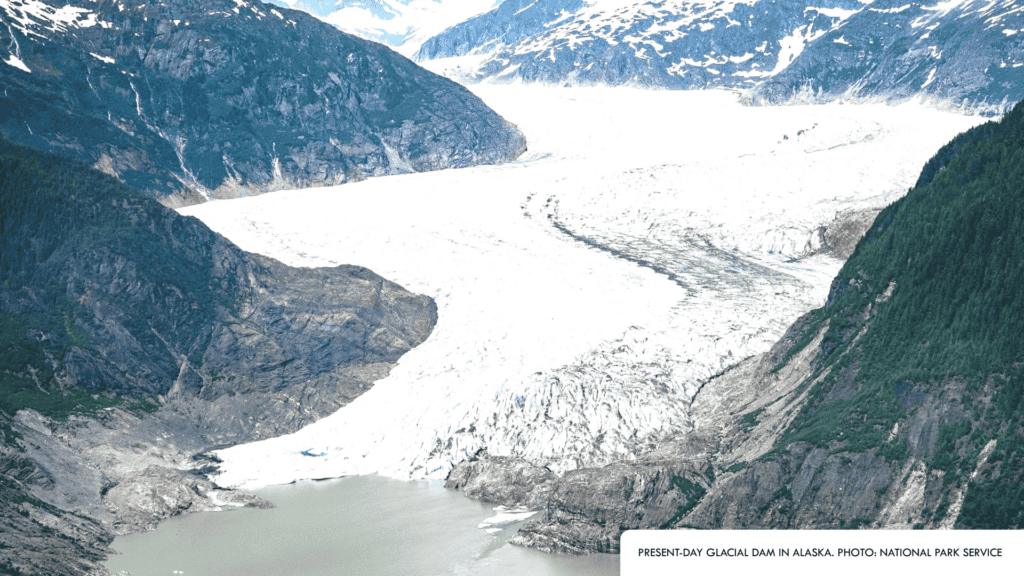
Łu t upn eł c̓lčłopnčstqn spenč epł kʷtisnimápulexʷ łu l ye sqlqelixʷúlexʷ. Nqʷéstm łu Nmesulétkʷ łu x̣ʷl̓ ntx̣ʷétkʷ nimáp stqép u xʷa we nk̓ʷoʔqín suxʷmeʔtn łu ec̓x̣lskʷtunt. Tʔew t nk̓ʷuʔ č̓ehék̓ʷ łu stqep, iox̣ʷ, hoy ml̓pulexʷ, u ye kʷtisčłml̓peneʔ k̓ʷul̓is łu stm̓stem̓ łu l st̓ulixʷ. Séliš es ʔawstm Nmesulétkʷ x̣ʷl̓ šeyulexʷ łu tʔe t čen u nsulkʷ. Čtéʔem̓mis łu Séliš skʷstulexʷ t Suyapi. Yetłx̣ʷásq̓t, puti qes wičntm łu es łp̓łip̓ łu l es mqʷmóq̓ʷ u šey tl̓ Nmesulétkʷ sx̣cin. Tma qes čac̓x̣ʔencu łu Séliš k̓ʷul̓mulexʷ łu l sqlixʷúʔulexʷs u łu č̓ Nmesulétkʷ. Łu x̣ʷl̓ t sq̓sip, uł xʷlxʷíʔiltm łu l ye st̓ulixʷ u wíʔičis łu Nmsulétkʷ t Séliš.
English Translation
Around 15,000 years ago, an ice sheet covered much of the Pacific Northwest. A lobe of the sheet dammed the Clark Fork, Ntx̣ʷétkʷ, and formed a glacial lake stretching hundreds of miles. Periodically, the dam ruptured and unleashed cataclysmic floods that sculpted the Columbia Basin. The Salish called our area of the glacial lake Nmesulétkʷ, “place of the freezing water.” This was later modified by settlers to “Missoula.” Today, inscribed lines of Nmesulétkʷ ’s ancient shorelines can be seen on surrounding mountains. Missoula’s Salish place name is a testament to the enduring influence of the People who witnessed Nmesulétkʷ and the making of geological history.
-
More Level 4:
- Library Highlights
- Green Library
- Making Connections